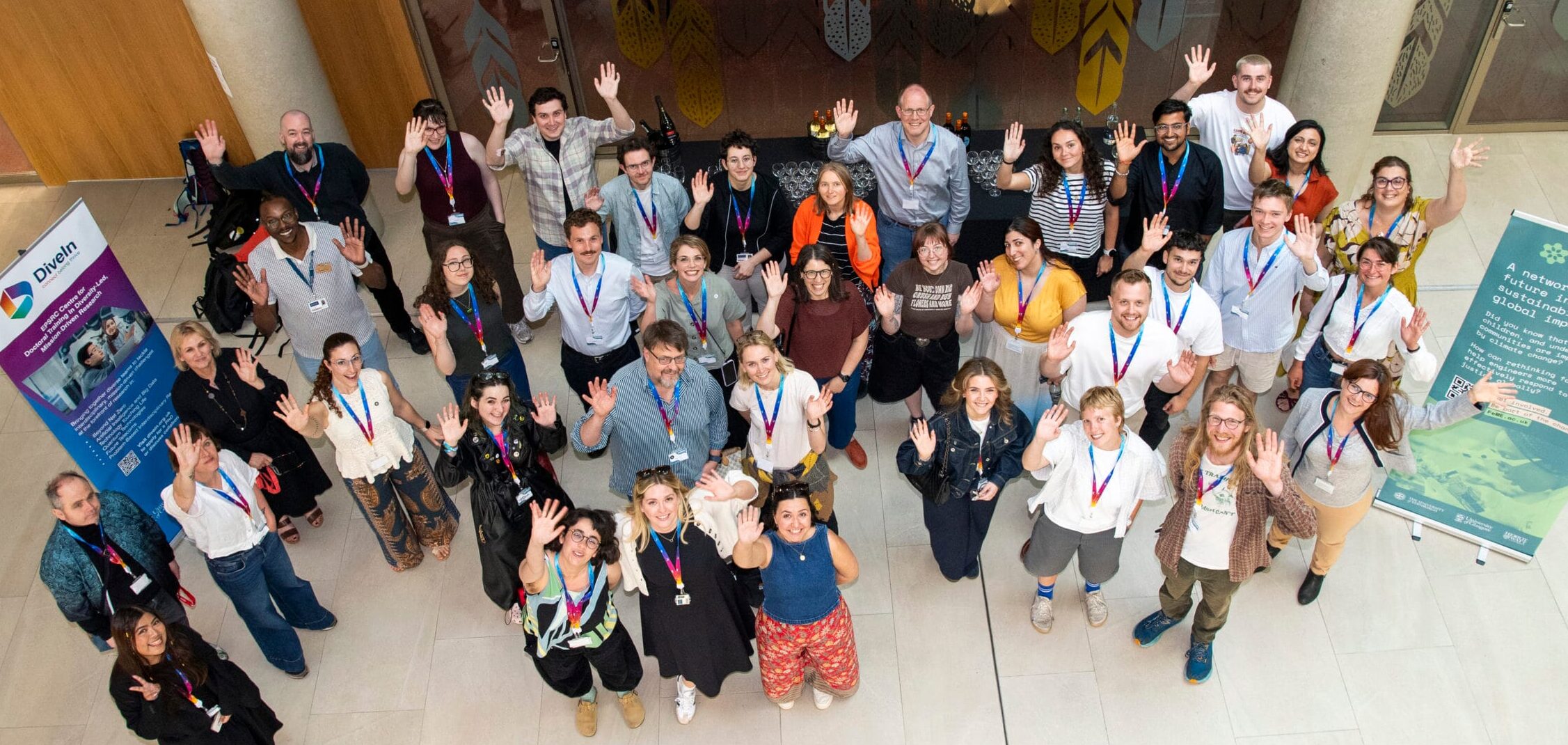
No Boundaries: A Festival of Cross-Disciplinary Collaboration was never intended to feel like a typical conference, and from the moment people came together at the University of Glasgow’s Advanced Research Centre, it was clear this was something different. As Events Coordinator for the FeME Network, I had the chance to see the day unfold from behind the scenes as well as in the room…
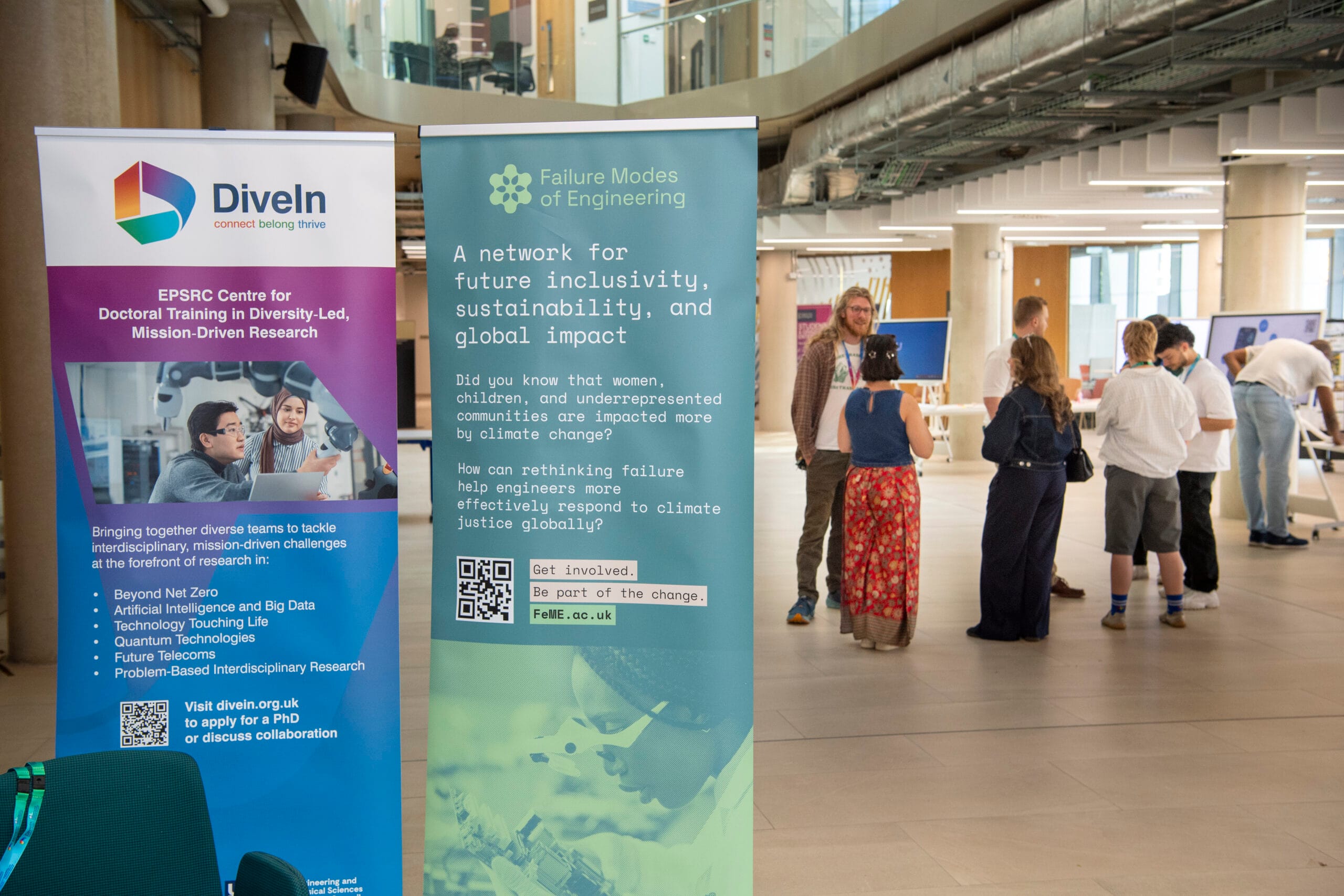
Co‑organised with the DiveIn Centre for Doctoral Training (CDT), the day brought a mix of researchers, practitioners, and artists, into one shared space, all open to thinking differently about the challenges we face. Those challenges – from climate change to social inequality – are complex, connected, and not easily solved within the limits of any single discipline. That’s exactly the starting point of FeME’s Failure Mode 5 (Transdisciplinary Engineering), which asks what might happen if we stopped treating disciplines as silos and instead saw them as overlapping spaces where new ideas can take shape. Throughout the day, that idea came to life in a programme full of conversation, creativity, and experimentation; from workshops and performances to hands‑on activities and informal discussion. Working closely with DiveIn, where interdisciplinary collaboration and inclusive ways of working are central to doctoral training, No Boundaries became a space to explore how we might do things differently and how, by working across boundaries rather than within them, we open up new ways of responding to the challenges shaping our world.
Moments That Made an Impact
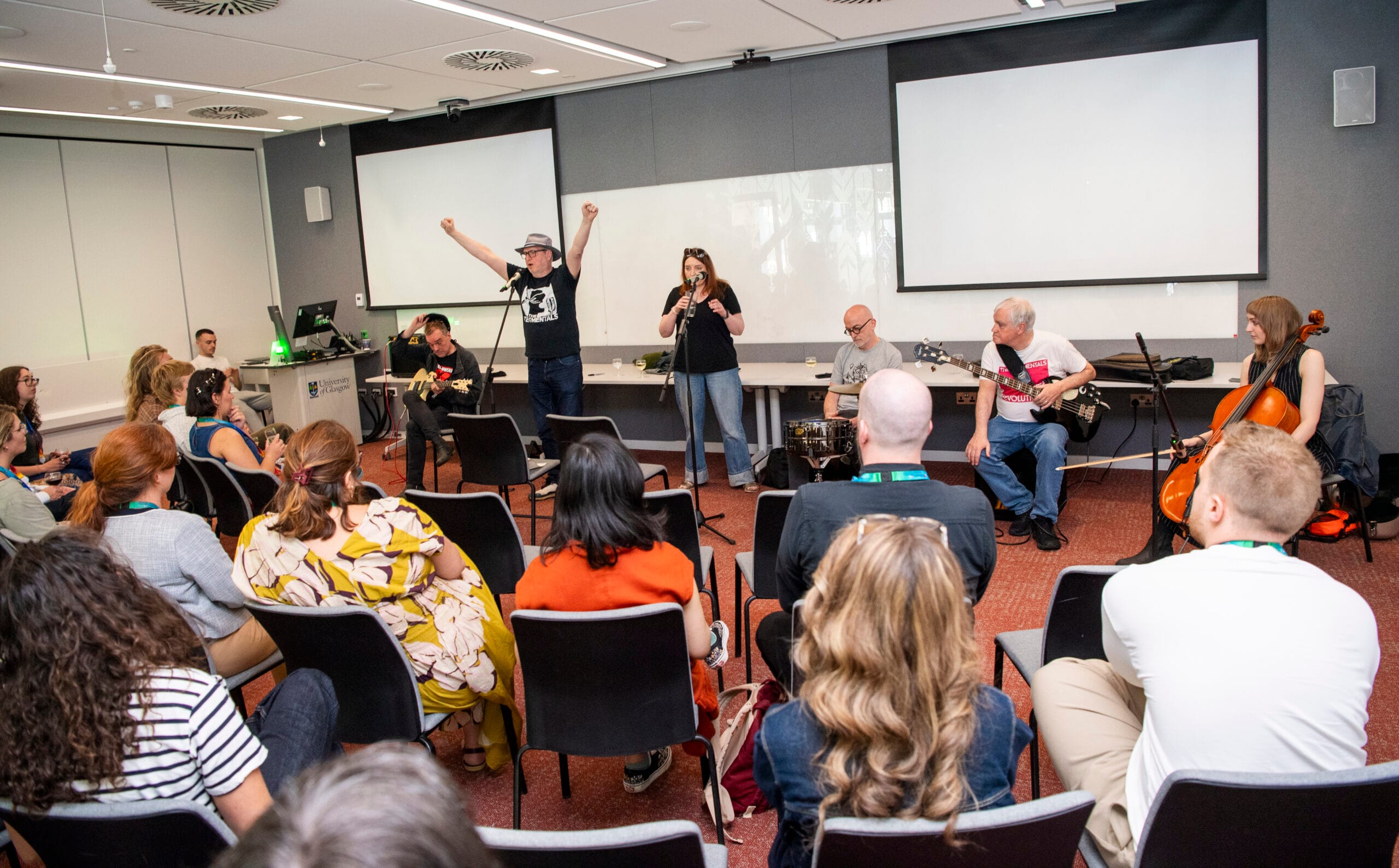
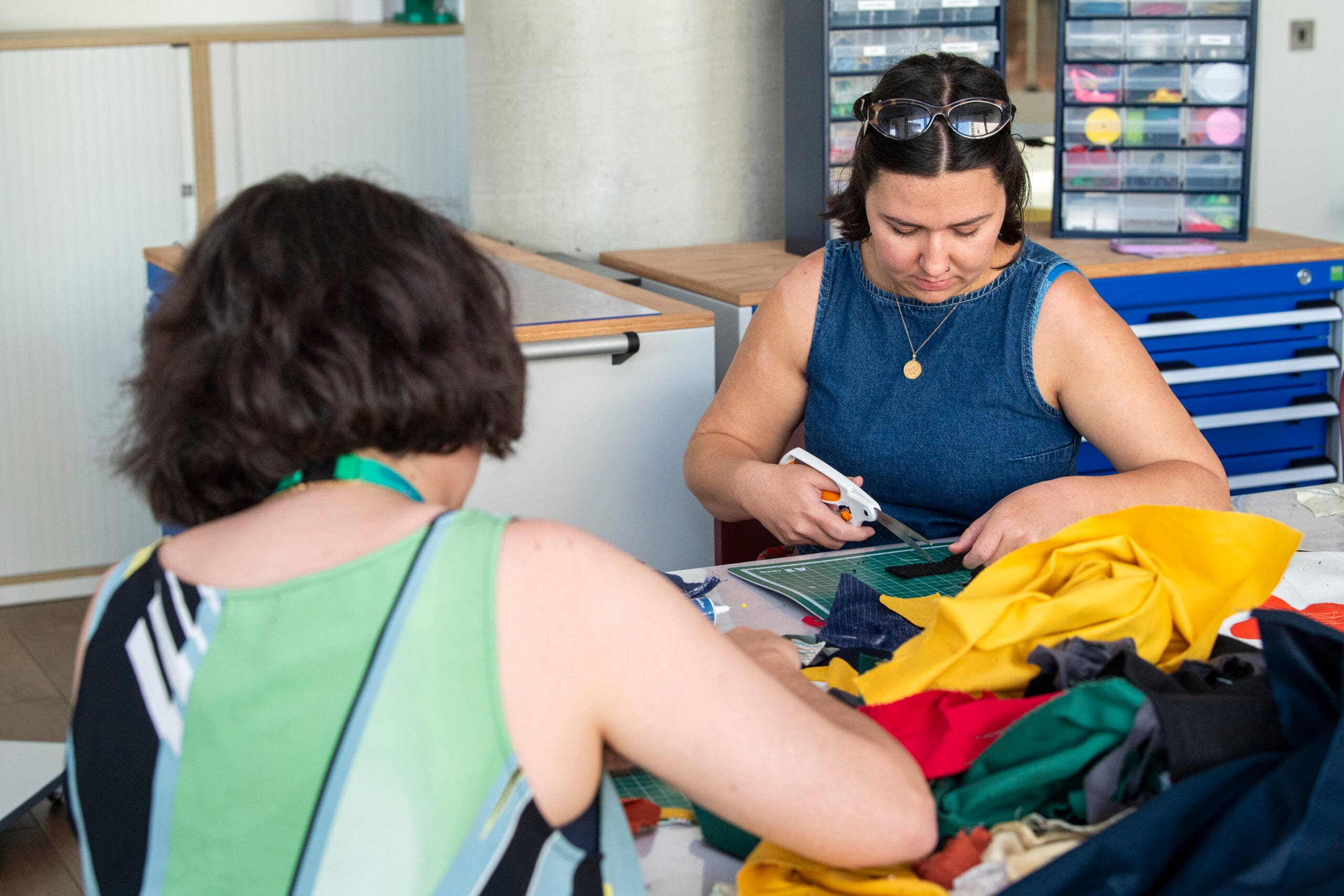
Some of the most memorable moments of the day came from the ways people were invited to take part, rather than just listen. Whether through workshops, informal discussion, or creative sessions, there was a clear sense that participation and the conversations it sparked was where the real value lay. Professor Sam Illingworth’s keynote, Poetry of Science, set that tone beautifully, offering something that was at once thought‑provoking and quietly moving, showing how scientific ideas can be felt as much as understood. That sense of boundary‑crossing carried into The Tenementals’ session and performance, which blurred the line between research and live music in the best possible way and ended the day with real energy and a reminder that knowledge doesn’t have to look or sound a certain way. Other moments pushed people further outside their comfort zones, particularly Marcus Russell Slater’s immersive performance piece, which invited attendees to move, reflect, and engage in less familiar ways, and quickly became something people were still talking about long after it ended. Alongside these, hands‑on sessions like Dr Lisa Bradley’s “Paper Quilt Lab” and the evolving FeME Tapestry (stitched together in the ARC MakerSpace and lead by FeME Earth Fellow Jeanne Michalon) created space for quieter, more personal forms of contribution, helping people reflect on what they bring to collaboration and how different pieces fit together (or don’t). In one small moment that seemed to capture the spirit of the day perfectly, I attempted to embroider a balloon onto the tapestry (a hopeful symbol of uplifting events) only for it to remain unfinished after being pulled away to deal with the realities of running the day. Somehow, that half‑stitched balloon felt entirely fitting to represent Event Co-ordination. The tapestry itself continues to grow beyond the event, and you can explore or contribute to the digital version here: https://feme.ac.uk/tapestry/
Friction and Finding our Crowd
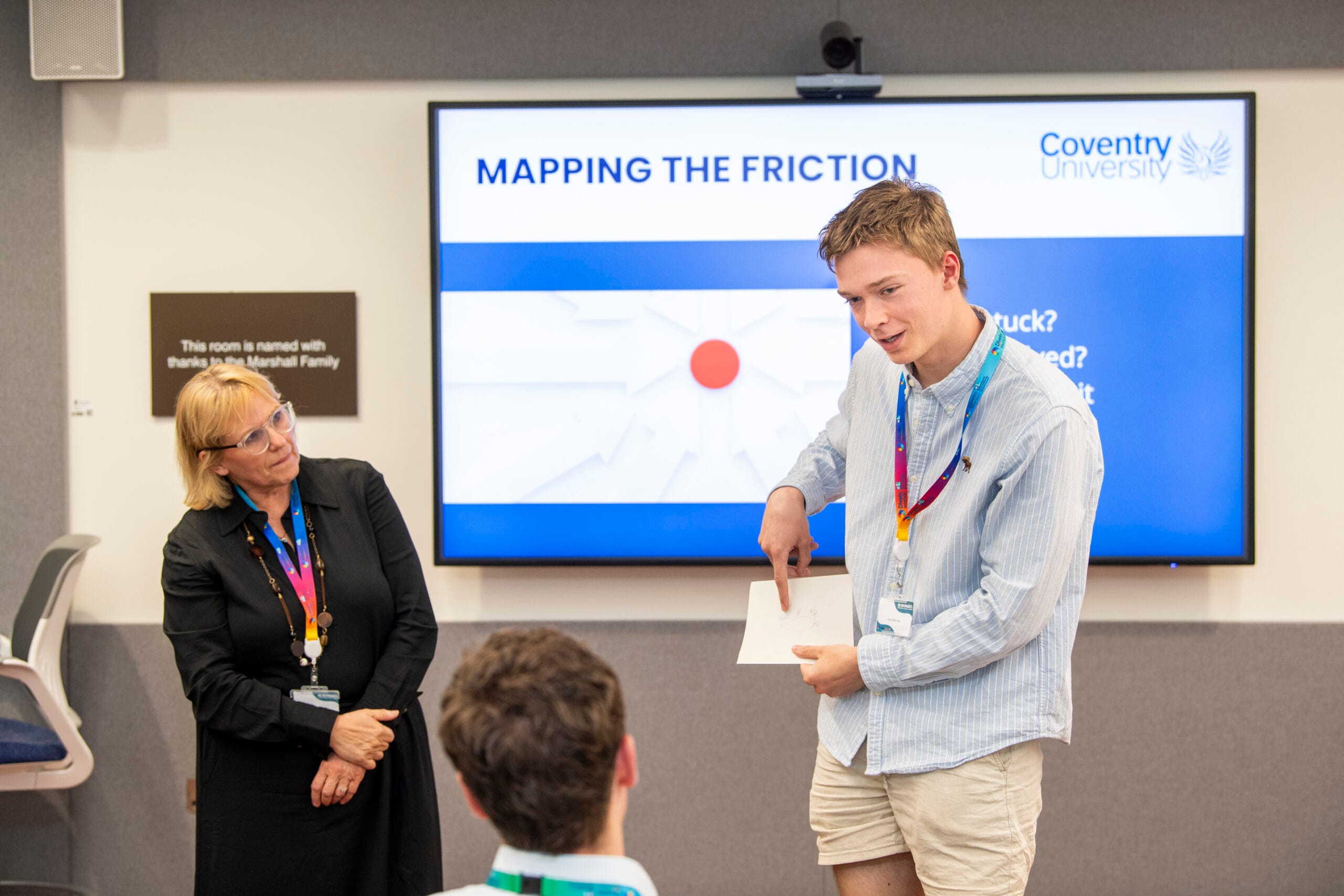
Of course, trying to work without boundaries brings its own set of challenges. Even getting the event off the ground raised some big questions: when you’re not aiming for one discipline or audience, where do you start, and how do you get the word out? It wasn’t just about reaching people, but about finding those who were genuinely open to stepping into a more shared, and sometimes uncertain, space. On the day, this showed up in familiar ways too: people working with different languages, approaches, and expectations, all within a busy schedule. But rather than feeling like problems to fix, these moments felt like part of the point. As explored in Dr Alison Halford’s workshop on When Collaboration Stalls, friction between disciplines isn’t necessarily something to smooth over, it can be a useful way of surfacing assumptions, shifting perspectives, and rethinking who gets to shape a conversation. In that sense, the small frictions we encountered throughout the day made the connections that did happen feel more meaningful; a reflection of what it really takes to work across boundaries, not just talk about it.
Intigrating Interdisciplinarity
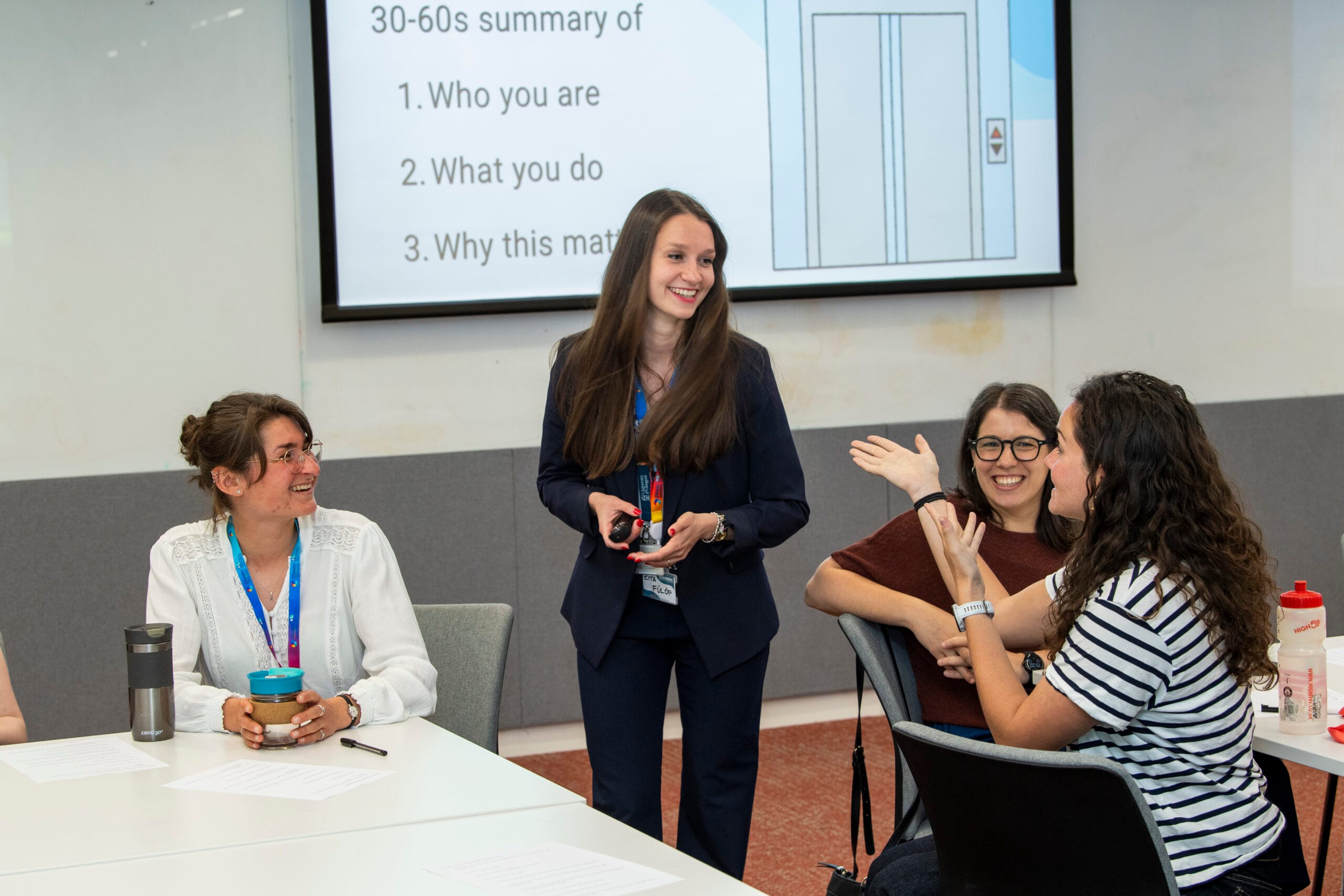
What became clear by the end of the day was that these challenges also offered some of the most valuable insights. Creating space for genuinely interdisciplinary exchange doesn’t just happen, it needs to be built thoughtfully, and ideally, from the very beginning. One thing we’ll be reflecting on moving forward is how to bring even more interdisciplinary voices into the planning process itself, not just the programme. After all, part of the point is that we don’t always know what we’re missing until someone with a different perspective is in the room. Sessions like Zita Fulop’s workshop on finding your voice and your collaborators really spoke to this – offering practical ways of thinking about how we communicate across disciplines, how we build partnerships, and how we actively create opportunities for collaboration rather than waiting for them to emerge. At the same time, the event was a powerful reminder of just how much inspiring work is already happening across and between disciplines. Making space to encounter these projects (and crucially, to interact with them rather than simply hear about them) felt like one of the most valuable aspects of the day. It reinforced the idea that interdisciplinary spaces aren’t just about sharing knowledge, but about creating the conditions for new connections, ideas, and collaborations to grow.
The Spaces Between
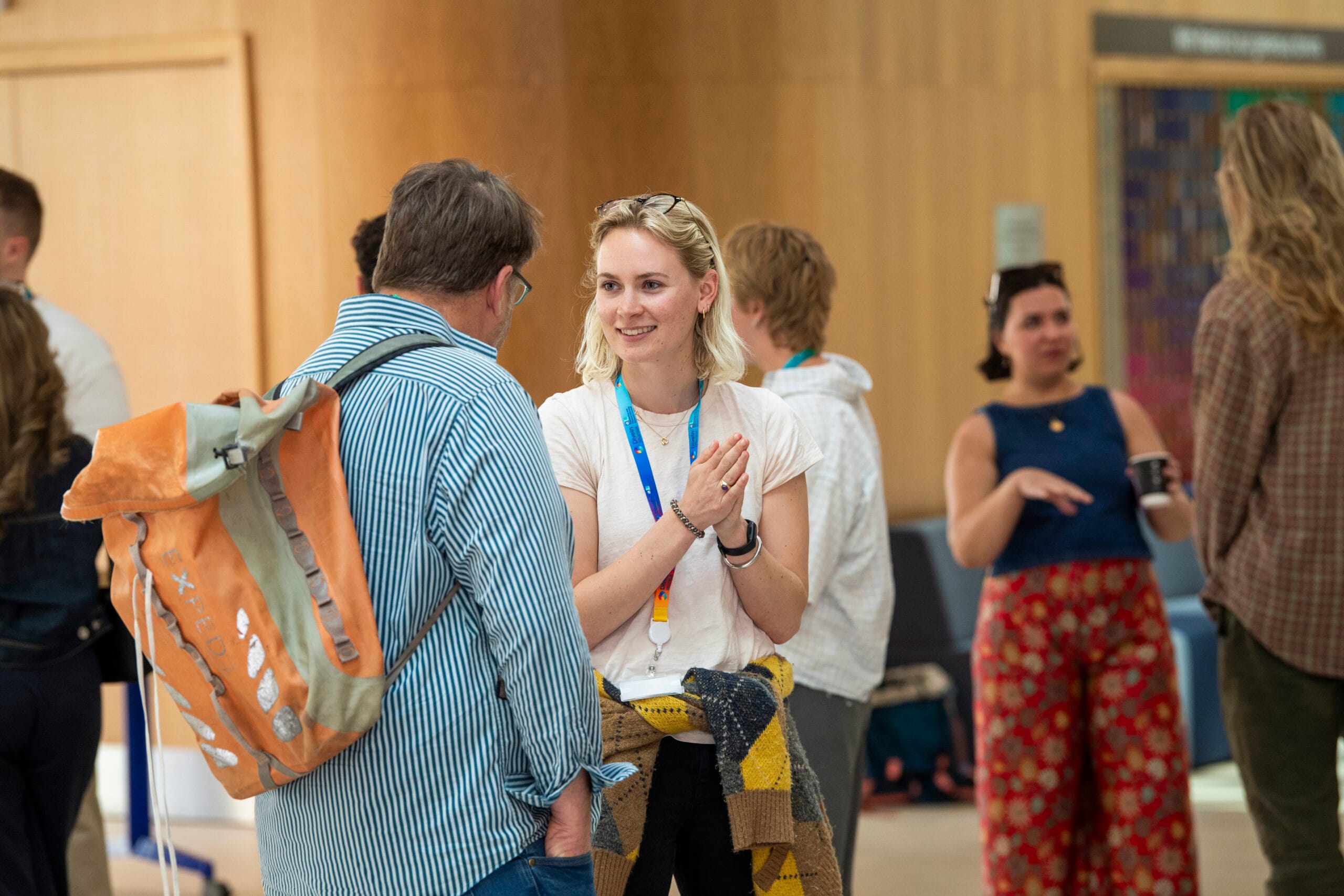
Looking back as an organiser, one of the most rewarding parts of No Boundaries was seeing connections take shape in real time and often in the spaces you might not expect. While the programme itself was rich, it was frequently the in‑between moments that stood out most: quick conversations over coffee, spontaneous introductions between sessions, or those slightly rushed but energising exchanges as people moved through the day. It was a reminder that networking, in this context, isn’t a separate activity – it’s how cross‑disciplinary collaboration actually begins. As one attendee reflected, “The creative and warm spirit – the whole day created a community feel,” which speaks to something we felt strongly too.
Beyond Boundaries
What felt especially encouraging was how open people were to stepping into something unfamiliar, whether that meant trying a different format, joining a new conversation, or simply being curious about someone else’s perspective. If there’s one takeaway we’d carry forward, it’s this: when you see an opportunity and instinctively think “that’s not really for me,” it might be worth taking a second look as those can often be the most generative spaces. For us, it also highlights an exciting challenge for the future: how can we design these informal, connective moments more intentionally? Because if No Boundaries showed us anything, it’s that when the right mix of people, openness, and curiosity come together, something genuinely valuable can happen and often in the moments you could easily miss.