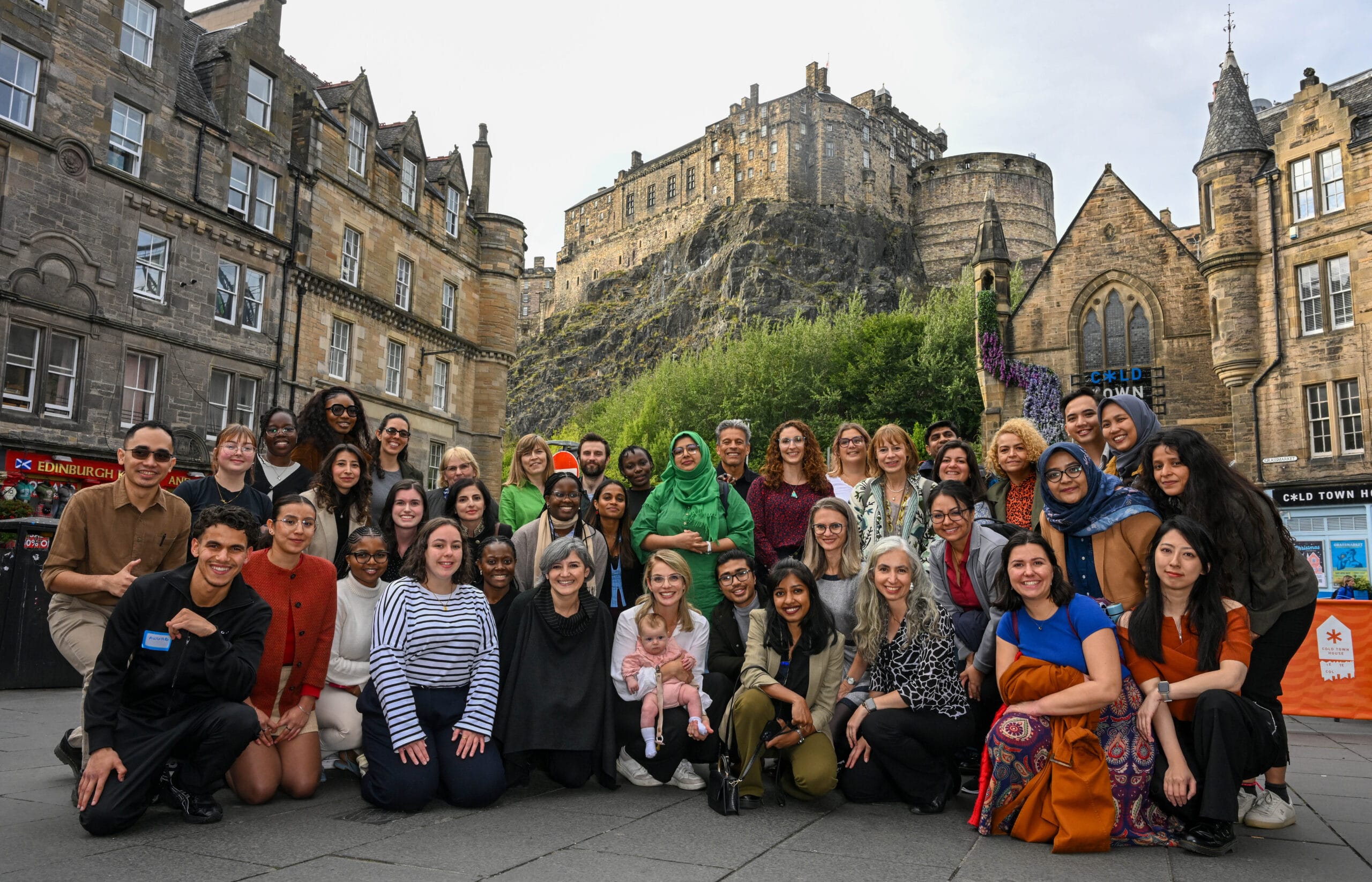
The inaugural FeME Climate Challenge gathered more than 60 participants from 18 countries for two days of collaboration, reflection, and experimentation in Edinburgh in September 2025. It marked the launch of the Failure Modes of Engineering (FeME) network plus, a bold initiative to reimagine engineering as inclusive, just, and responsive to the climate crisis.
A Challenge Designed for Change
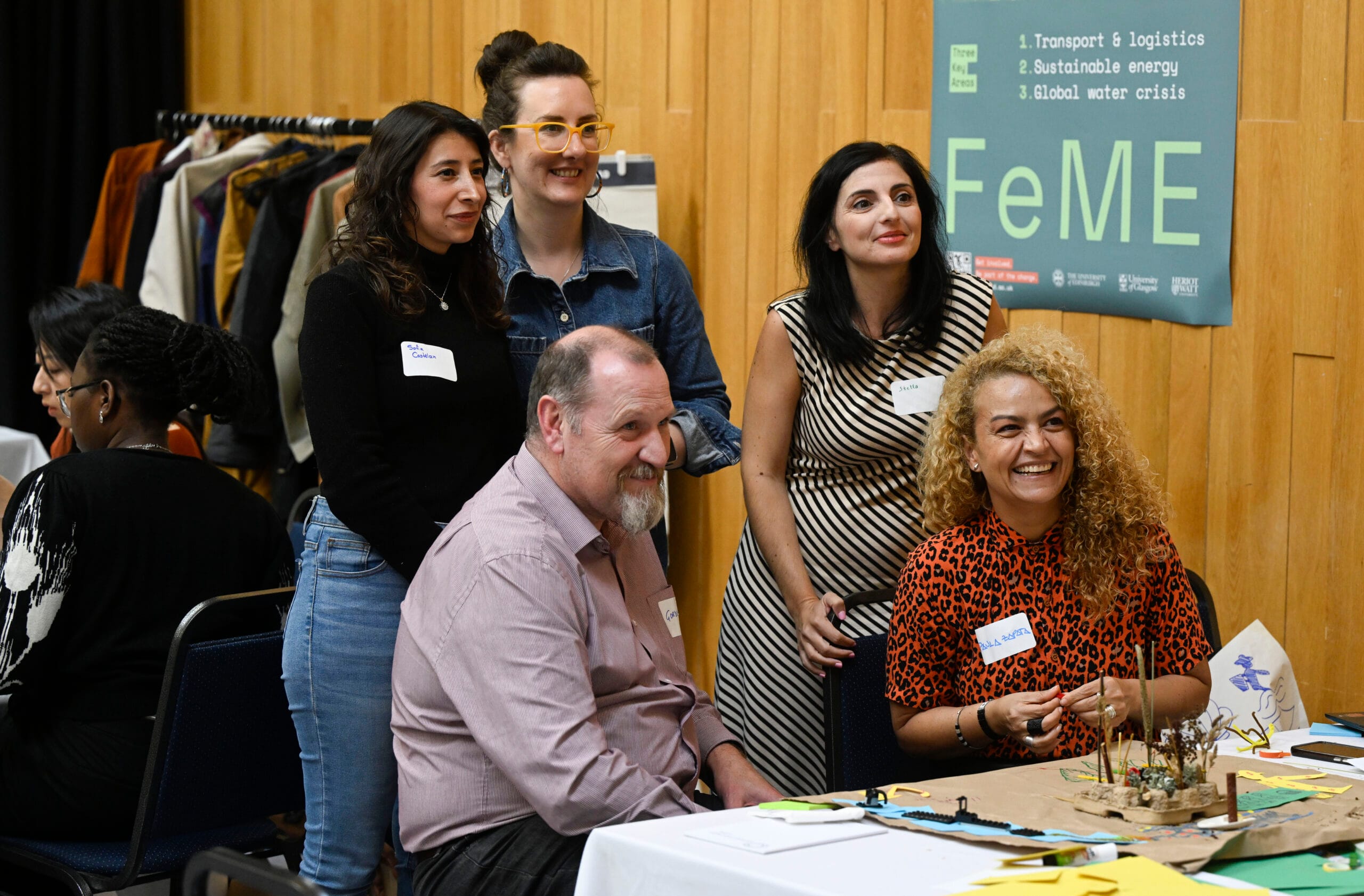
Unlike a traditional conference, the Climate Challenge was designed as a collaborative challenge lab. Participants explored three urgent areas of practice: Transport & Logistics, Sustainable Energy, and Global Water Crises. These were framed not only as technical questions but as social, cultural, and ethical challenges.
Each challenge was introduced by partner organisations working directly on the frontlines of climate disruption, from those addressing resilient coastal and marine conservation and sustainable adaptation for small island states to equitable access to essential services in rural and flood-prone communities. These partners grounded the discussions in lived realities, ensuring that the insights generated were not abstract exercises but connected to pressing global needs.
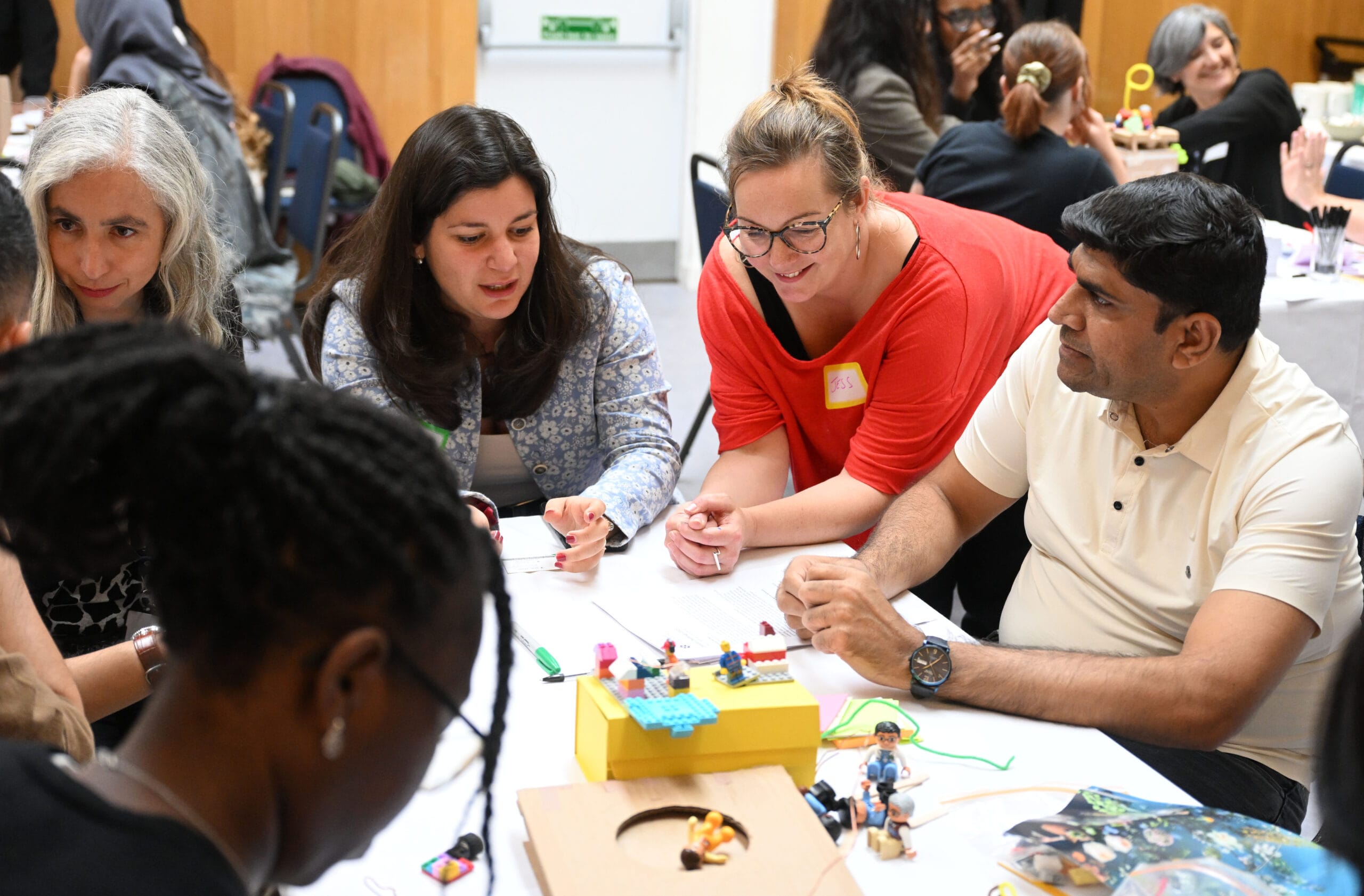
The programme was intentionally structured: Day 1 set the scene with lived experiences, participatory exercises, and a card game that surfaced real-world engineering dilemmas. Day 2 moved into transdisciplinary sessions, open space discussions, and prototyping, culminating in tangible outputs and shared commitments for the FeME community.
The four guiding themes ran through all activities:
- Effective engagement and co-creation with end-users.
- Mitigation of climate change disruptions.
- Adaptation to unavoidable impacts.
- Responsible use of limited resources.
The intention was not to solve problems in two days, but to deepen knowledge and understanding of the challenges and co-produce key topics that FeME will support over the next three years, feeding into future research, fellowships, and collaborations.
Voices from the Room
The Climate Challenge thrived on participant input, participants stressed the importance of safe and inclusive environments to talk openly about failures. As one noted, “Failure is a learning ground for doing better next time. The important thing is to look at failure positively and talk about it openly.” Others highlighted that transdisciplinary work requires flexibility, humility, and non-judgemental conversations to overcome ego-driven barriers.
Inclusion at the Core
Accessibility and care were central to the event design: bursaries supported participation, the FeME Caring Pot for extra caring expenses, meals reflected diverse dietary needs, and the team facilitated a welcoming atmosphere with walking buses, journaling sessions, and quiet reflection spaces. The mix of participants (academics, policy makers, practitioners, students, and community leaders from all career levels) was deliberately diverse, ensuring that voices often excluded from engineering had equal space.
As one participant reflected, “I have never been in an engineering space where my background in social justice was not just tolerated but actively sought out.”
From Reflection to Prototyping
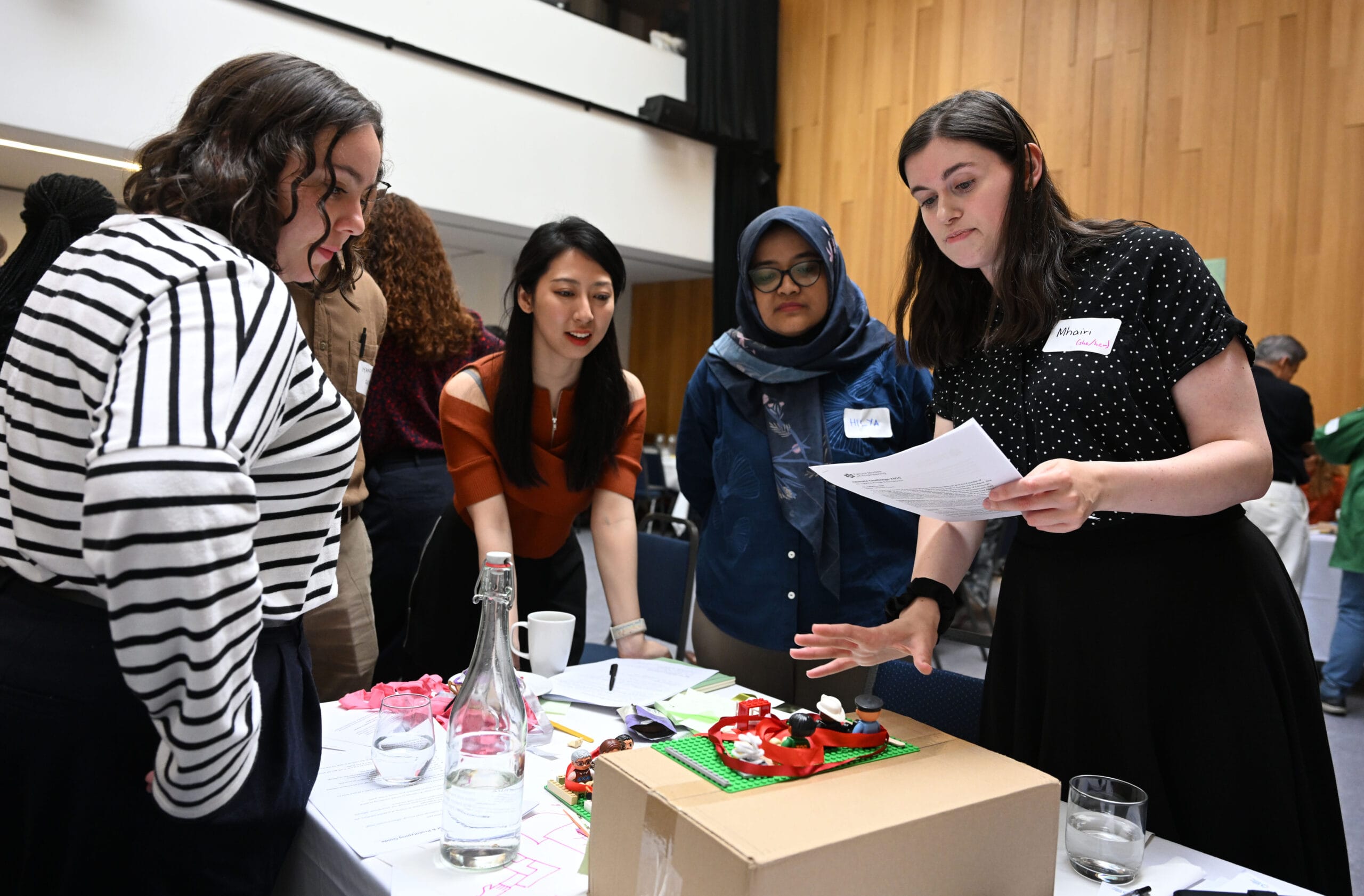
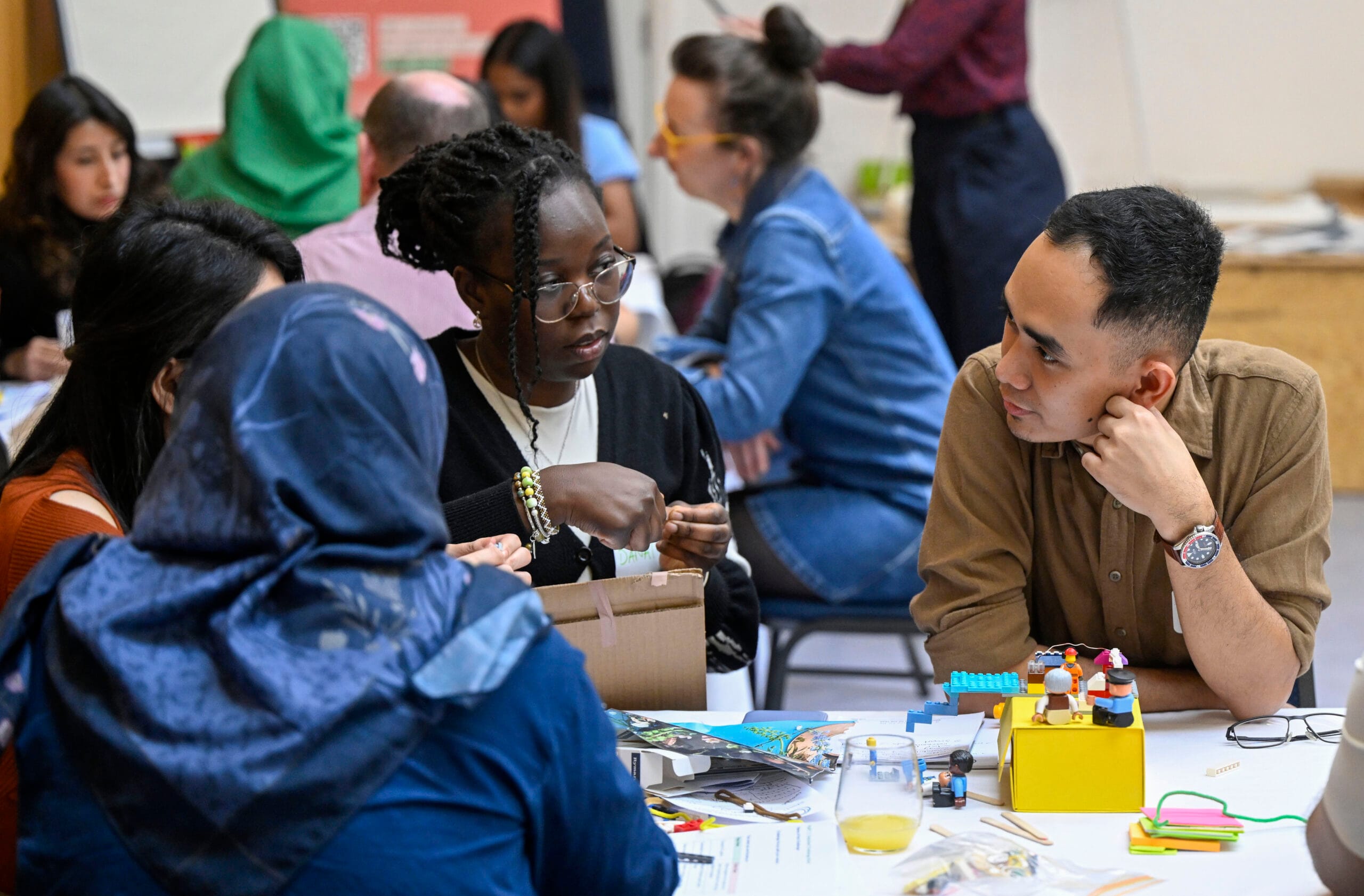
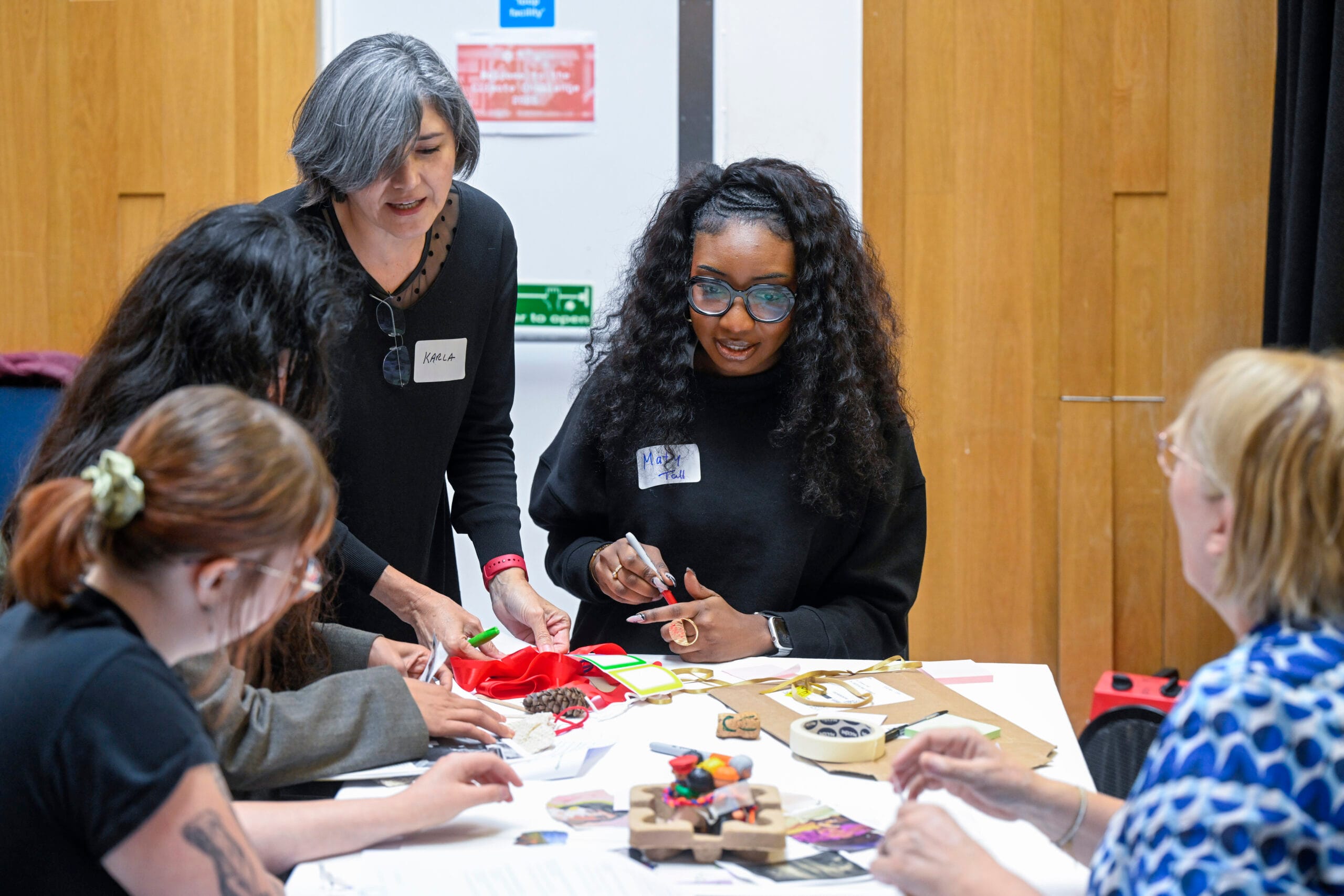
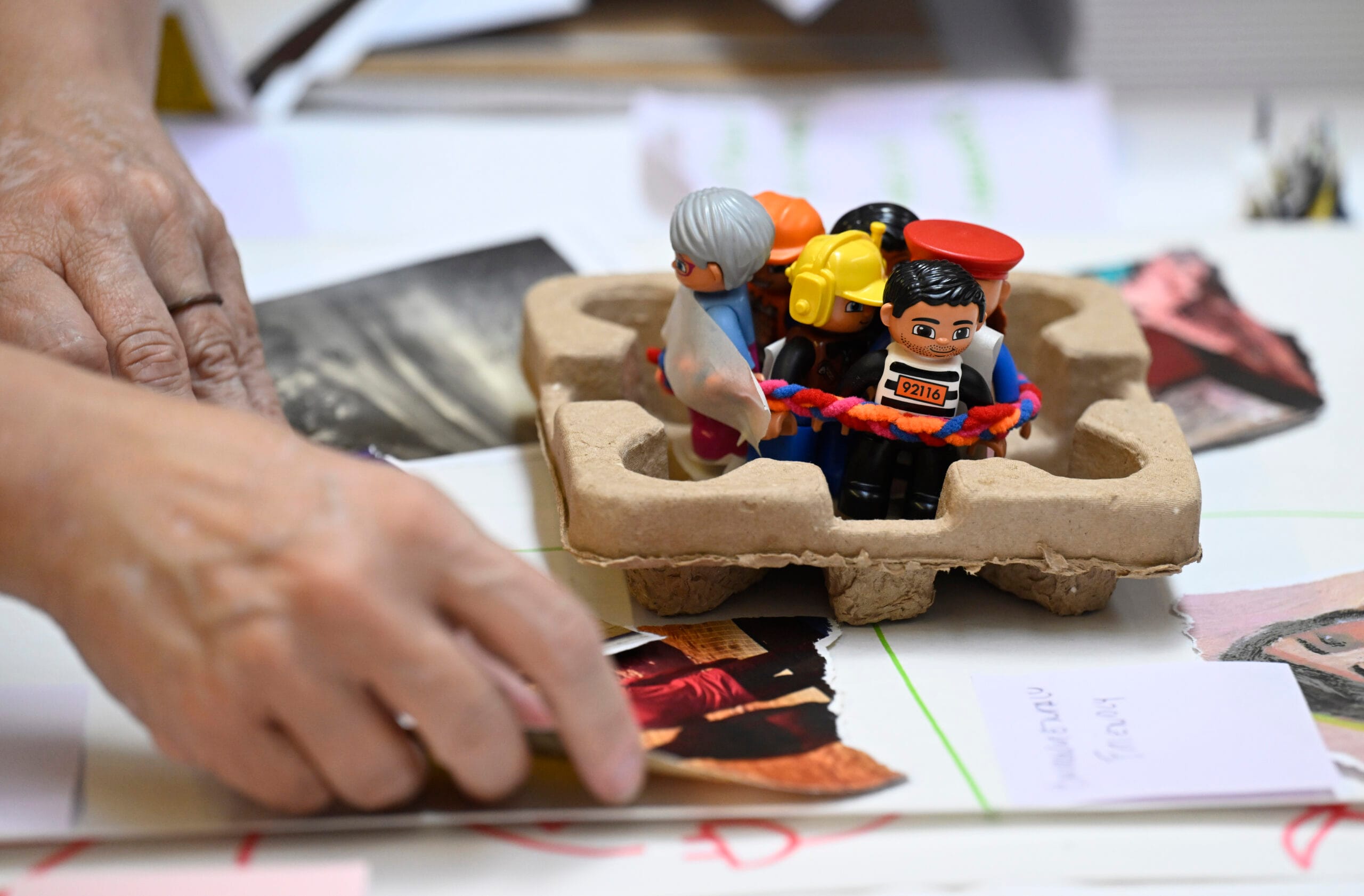
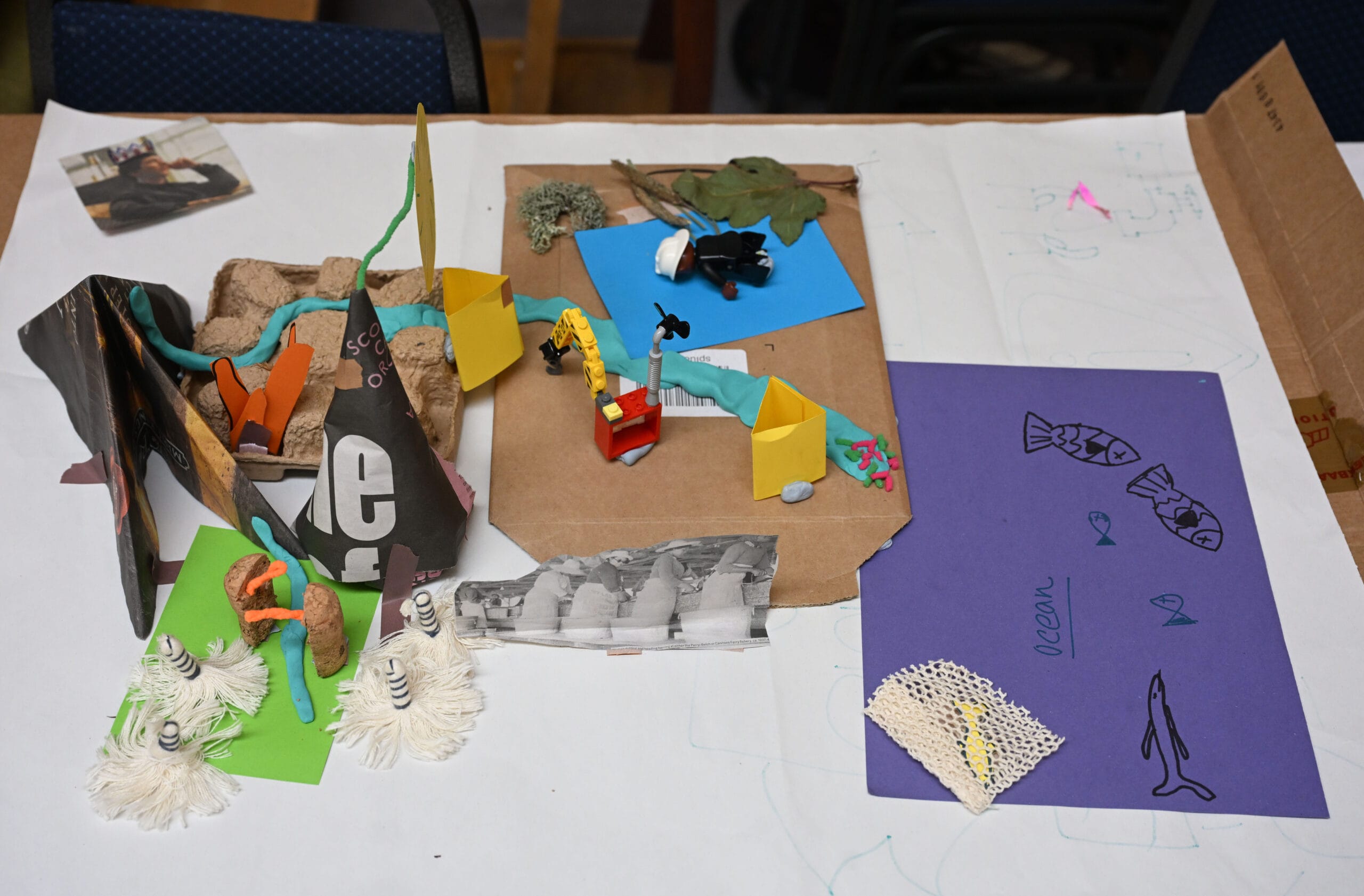
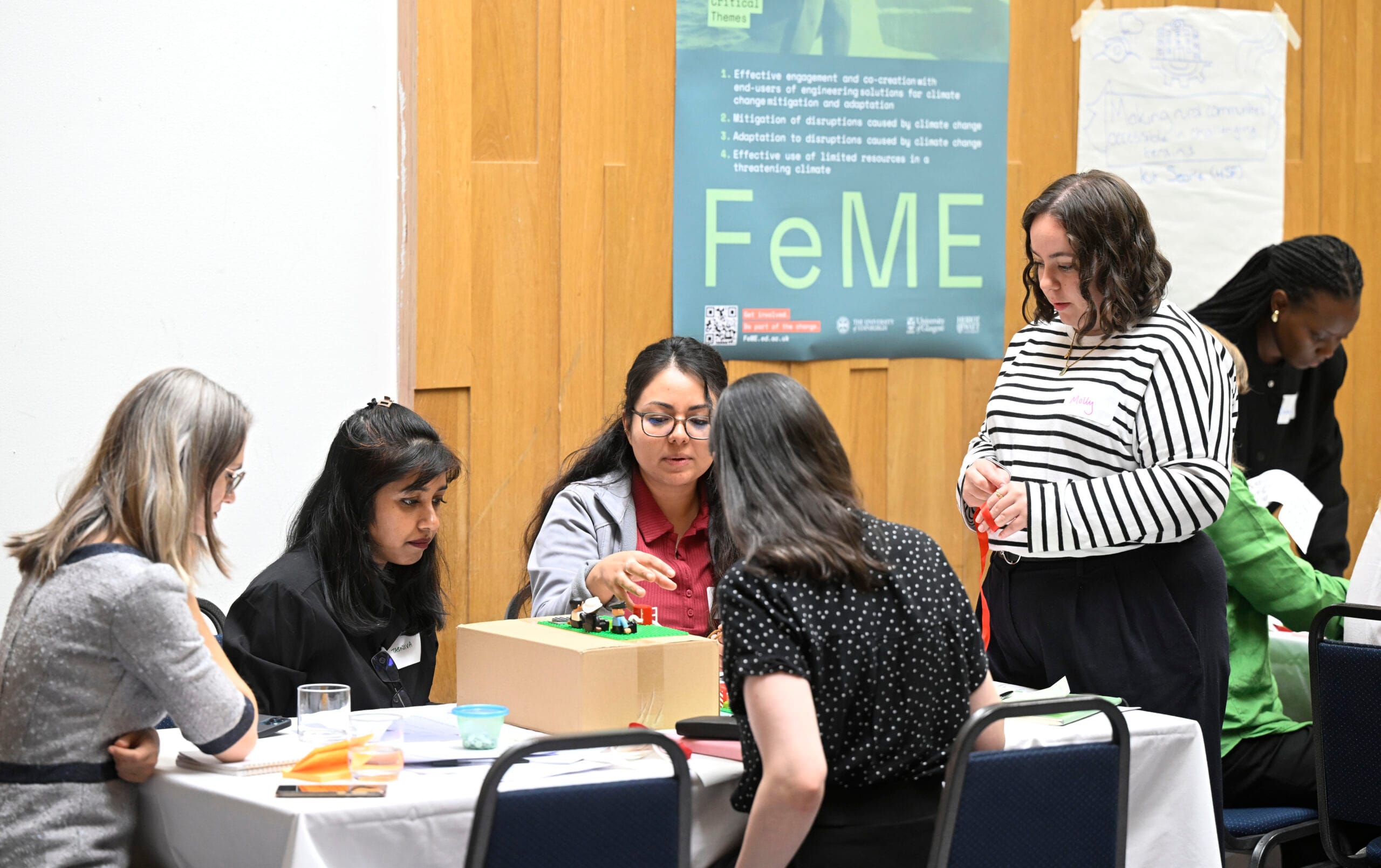
The second day’s prototyping sessions encouraged participants to turn insights into sketches of possible futures. Using materials from flipcharts to Lego, teams developed physical models and challenge briefs. These outputs, ranging from ideas for community-centred water resilience projects to rethinking global logistics networks, were showcased in a marketplace format, with participants offering feedback and filming short videos to capture their prototypes.
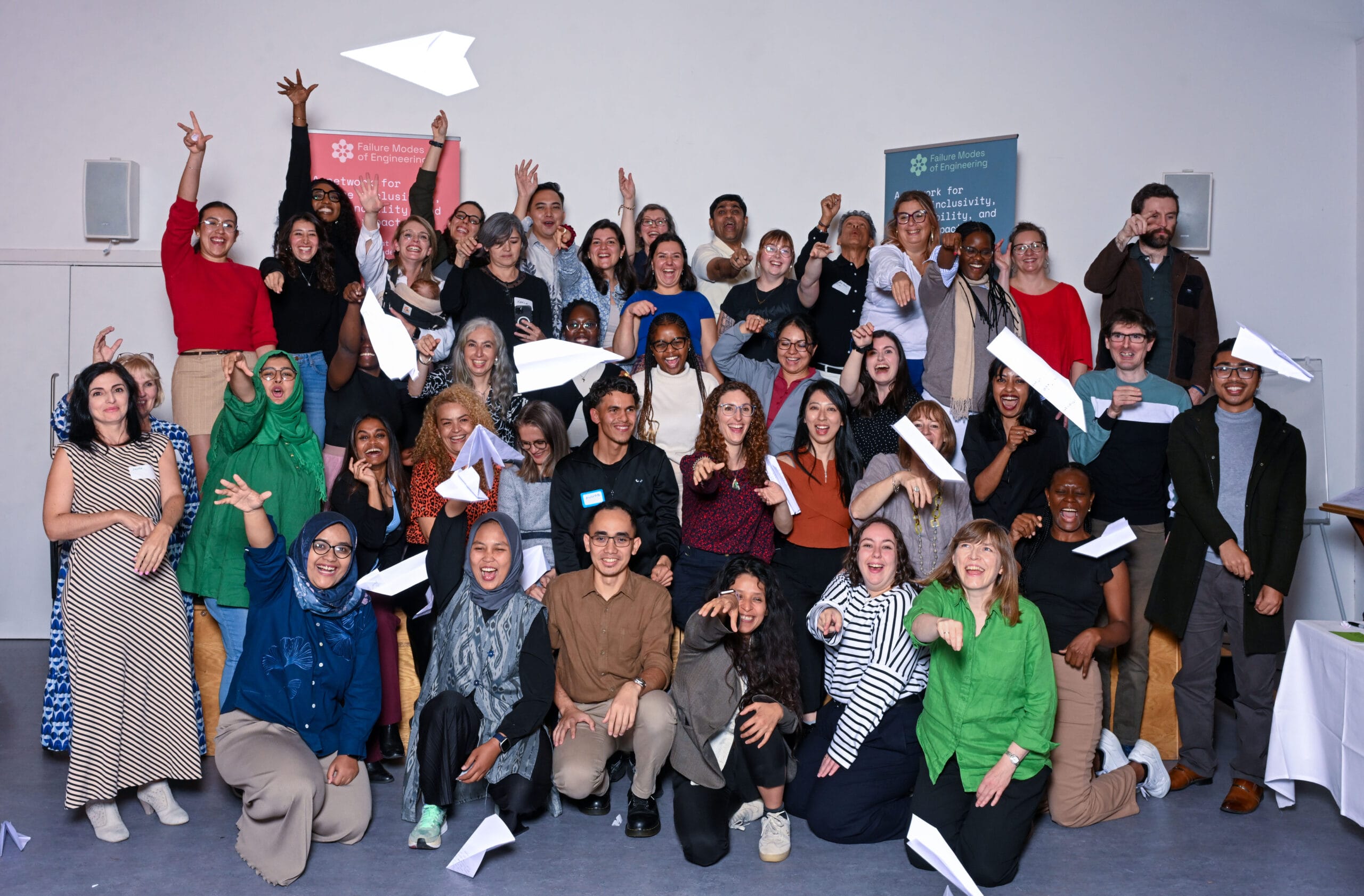
The event closed with a symbolic gesture: participants wrote letters to their future selves about what they wanted to carry forward, folded them into paper aeroplanes, and launched them together. An image of collective commitment to shared futures.
Building a Network of Care and Courage
From participant reflections, a clear vision for FeME emerged. Participants want it to be:
- “A network of safe, well-meaning, curious and open-minded individuals that come together to learn from our failures.”
- “A platform where we can share ideas, methods, and challenges frequently and learn collaboratively.”
- “A bridge between the North and South, and between professions—a hub for inclusive and transformative engineering.”
There was appetite for ongoing engagement through a community platform, reunions, regional meetups, and online platforms such as the FeME Tapestry. Many offered themselves as collaborators, ambassadors, and advocates to ensure the network grows into a lasting force for change.
Looking Ahead
The FeME Climate Challenge affirmed that engineering cannot tackle the climate crisis alone. It must be broadened, diversified, and grounded in care.
The ideas, prototypes, and commitments generated will now inform FeME’s activities over the next three years: shaping seed funding, fellowships, training, collaborations, and publications. More importantly, the event seeded a network of people committed to keeping inclusivity, justice, and transdisciplinarity at the heart of engineering.
Reimaging the Future in Partnership
The success of the Climate Challenge was made possible by the Challenge Partners who introduced real-world issues, shared expertise, and engaged in co-creation with participants. Their role ensured that the conversations were grounded, relevant, and globally connected.
Looking ahead, FeME will continue to collaborate with partners through a dedicated Partner Hub. This hub will strengthen connections and deliver value by:
- Showcasing partners’ challenges to international, transdisciplinary audiences.
- Supporting the reframing of challenges through briefs, prototypes, and lived perspectives.
- Building pathways to future collaborations, from joint research and fellowships to policy engagement and industry partnerships.
By working side by side with partners, FeME will ensure that future events- whether local, regional, or global – remain spaces where technical expertise meets lived experience, generating solutions that are both innovative and just.
The FeME Climate Challenge was two days long, but its ripples will continue to grow in classrooms, research labs, policy spaces, and communities worldwide.