Stella Stavrinou

Profile
I am the president of the Civil Engineering Federation in the regional department of Lesvos and Lemnos island. We, women civil engineers are less than 30% of the engineering population, however from this position since 2023 I am working as a liaison for the Greek Ministry of Environment and professional civil engineers for facilitating the implementation of Greek Environmental laws in construction regionally.
How did you get involved in engineering projects to address climate change? What were your background skills or experience?
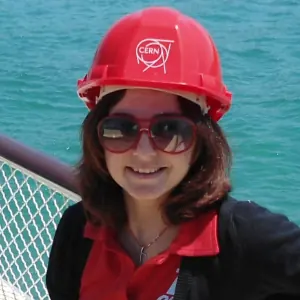
I was elected in 2023 as a president of the Civil Engineering Federation. I have been a freelance consultant for 20 years and for the past 15 years I am often hired in courts as a technical consultant for the state for cases involving environmental issues.
What projects were you invloved in and what did you do?
Additionally, changing precipitation patterns, such as intense rainfall and rising sea levels, can increase underground water pressure, further impacting fault stability and leading to more frequent, though not necessarily larger, quakes.