Evaluation of a Citizen Science and Air Quality Project Using Sustainability Indicators

Project Overview
Study evaluates a citizen science project on air quality in León, El Bajío Industrial Corridor, using sustainability indicators.
What problem was the project designed to solve?
The project was designed to address the lack of accessible and comprehensive air quality data in Guanajuato, Mexico, particularly regarding volatile organic compounds (VOCs), which are not regularly monitored by fixed stations and whose information is not publicly available. It seeks to benefit the general population by making air pollution data more widely disseminated and easier to understand, thus enabling people to make informed decisions in their daily lives regarding environmental and health issues.
What did you do and who was involved?
The project is being developed through a collaborative and transdisciplinary approach, involving experts in atmospheric sciences, education, and environmental geology, as well as a private sector company and volunteers from diverse backgrounds. Many of these participants do not have formal training in air quality, which makes their involvement especially valuable in shaping inclusive and community-driven solutions. I am actively leading the development of the project as part of my dissertation. My responsibilities include designing the research framework, coordinating with specialists and stakeholders, and facilitating community engagement. I also oversee the technical deployment of low-cost sensors and the integration of data into public platforms. As part of this process, I validate the accuracy of the sensors and analyze the data they produce to ensure the quality and reliability of the measurements.

Sofia Viridiana Castelan Jaime
What was the outcome?
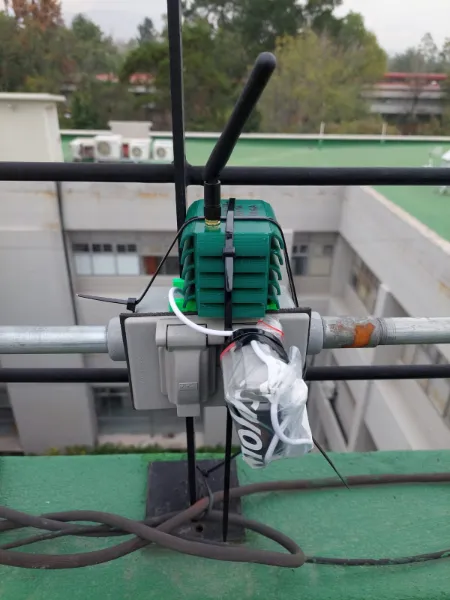
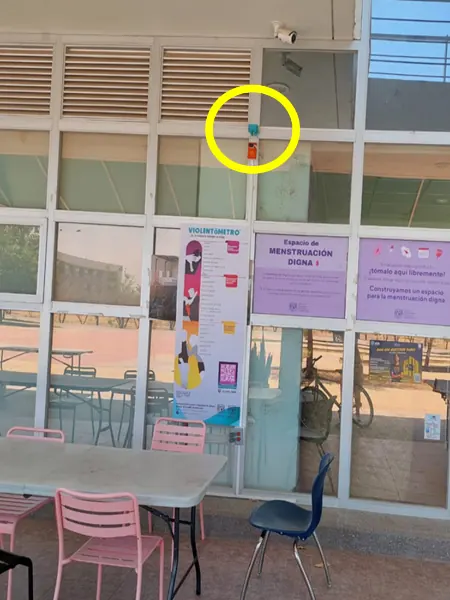
The project is empowering an underrepresented community by raising awareness about air pollution and involving citizens in environmental monitoring. Through workshops on air quality, VOCs, legislation, and health impacts, participants—most without prior technical knowledge—have gained valuable insights and civic engagement skills. Volunteers received low-cost TVOC sensors and training to interpret the data, enabling them to monitor pollution in their own neighborhoods. This hands-on approach fosters ownership, strengthens community networks, and ensures their voices contribute to broader discussions on environmental justice and public health.
What challenges did you address and how?
Key Challenges:
- Technological limitations: Low-cost TVOC sensors have limited accuracy and a short lifespan. Volunteers were trained to interpret data critically, and the team is exploring collaborations to improve sensor quality.
- Citizen participation: Initial enthusiasm declined over time. The team adapted workshops and conducted surveys to better understand participant needs and re-engage the community.
- High implementation costs: With expenses around $412,012 MXN, scalability is difficult. However, institutional support—especially from UNAM—provided advanced equipment, boosting technical capacity without extra costs.